Housekeeper Jobs in the UAE for Foreign Workers
Housekeeper jobs in the UAE for foreign workers: hotel and villa roles, daily duties, skills employers look for, hiring steps and scam warnings.
UAE · Working Abroad · Jobs & Visa Guidance
Behind every spotless hotel room in Dubai, every tidy serviced apartment in Abu Dhabi and every well-kept villa in Sharjah, there is a housekeeper whose work most guests never see. Beds are made before breakfast, bathrooms are polished, floors are swept and mopped, and fresh linen appears as if by magic. Much of this work is done by people who came to the Emirates from abroad, and hotels, cleaning companies and private households keep looking for reliable hands. This guide explains what housekeeping work in the UAE actually involves, which skills make an applicant stand out, how hiring usually unfolds and what to check before accepting an offer. The amount paid for any housekeeper role is to be confirmed with the employer during recruitment.
MapleLeaf Jobs is an independent international jobs and visa guidance service. It is not affiliated with Maple Leaf Foods, the food company.
Where Housekeepers Work Across the Emirates
The largest employer of housekeepers is the hotel sector. Big hotels in Dubai and Abu Dhabi run housekeeping departments with dozens of staff, each responsible for a set of rooms every shift. Serviced apartments and holiday homes form a second large area of work, where the pace is steadier and the same flats are cleaned on a regular cycle. Private villas employ housekeepers too, sometimes through a household staffing agency and sometimes directly, and the duties there stretch beyond rooms into laundry, ironing and helping with the kitchen. Cleaning companies supply staff to offices, malls and residential towers on contract, so a worker may clean several buildings in a week. Each setting has its own rhythm: hotels prize speed and consistency, villas prize trust and discretion, and contract cleaning prizes flexibility. Readers can look at current guidance on jobs and browse wider background reading in articles.
What a Housekeeper's Day Looks Like
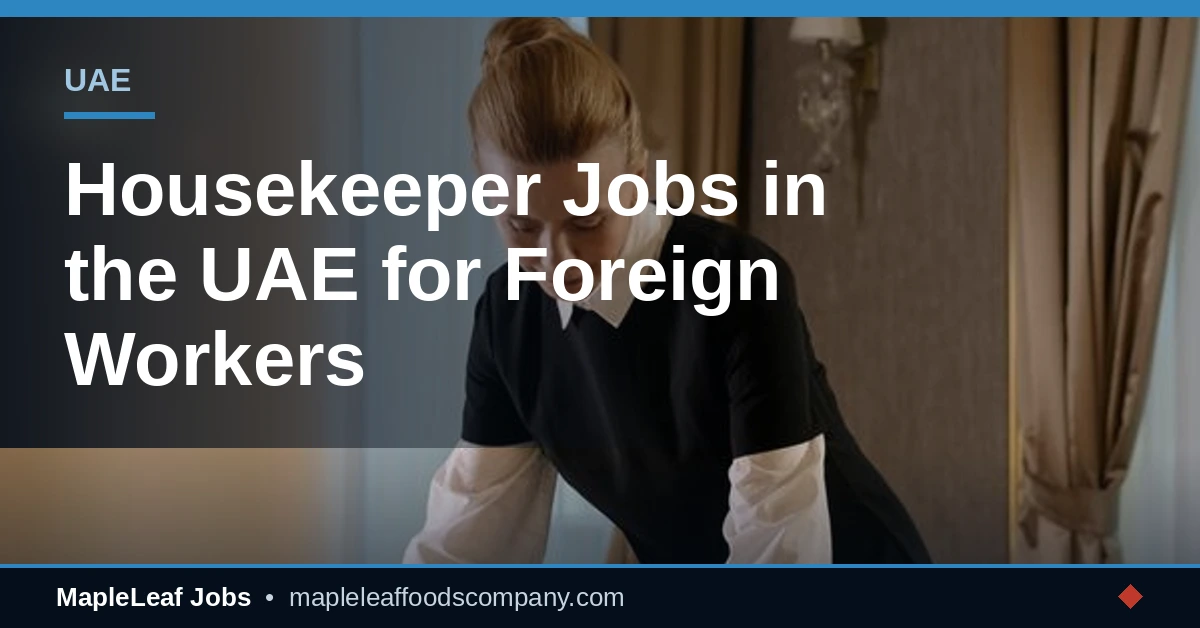
A hotel shift usually starts with a briefing and a trolley stocked with linen, towels and cleaning supplies. The housekeeper works through an assigned list of rooms, changing bed linen, dusting surfaces, wiping mirrors, scrubbing the bathroom, vacuuming the carpet and restocking tea, coffee and toiletries. Vacated rooms need a full clean before the next guest arrives, while occupied rooms get a lighter refresh. In a villa the day is different: laundry is sorted and washed, clothes are ironed, the kitchen is wiped down after meals and the living areas are kept orderly. Attention to small things matters everywhere — a smear on a mirror, a hair in the bath, a bed corner left loose — because guests notice details. The work is physical, with hours spent standing, bending and lifting, and a tidy, methodical worker finishes the list faster than a careless one.
Skills That Employers Notice First
Experience counts, but attitude counts just as much. Employers look for people who know how to clean a bathroom properly, how to handle different surfaces without damaging them, how to fold and present linen neatly and how to use cleaning chemicals safely, with gloves and ventilation. Basic English helps a great deal in hotels, since guests ask questions and supervisors give instructions in English. Reliability is prized above almost everything else: turning up on time, finishing the room list and reporting anything broken instead of hiding it. Discretion matters too, because a housekeeper handles guests' belongings and sees private spaces. A calm manner with difficult guests, a willingness to learn the hotel's own standards and a neat personal appearance all help an application. The Kuwait cleaners guide describes a similar trade where the same habits earn trust.
How Hiring and the Visa Steps Usually Work
Hotels and cleaning companies often recruit through a partner agency in the worker's home country, which collects applications and forwards shortlisted candidates. A shortlist usually leads to a phone or video interview, where the employer asks about earlier cleaning or hotel work and may ask for references from a previous employer. When a post is offered, the terms should arrive in writing, naming the role, the workplace, the working hours, the weekly day off and the accommodation arrangement, and the worker should read them carefully before agreeing. After that, the employer starts the work visa process, while the worker gathers the documents the employer asks for: a travel document with plenty of validity left, a police clearance certificate from home and any earlier employment references. A health examination, done before departure and repeated after arrival, is expected along the way. The UAE work visa process guide sets out the order of these steps, and the documents checklist helps a worker tick off every paper that is usually asked for.
Living and Working in the Emirates
Many housekeeping posts come with shared accommodation provided by the employer, often a room shared with colleagues near the workplace, and transport to and from the hotel or site. Meals may be provided during shifts in hotels, though this varies by employer and should be confirmed in writing. The climate shapes the work: summers are intensely hot, so indoor work is an advantage, but the walk between buildings and the wait for transport still need care with water and rest. Time off is usually one day a week, and workers often spend it calling family, shopping for essentials or resting. Learning a few Arabic greetings helps daily life, and knowing the local rules about conduct in public keeps a newcomer out of trouble. The UAE hotel and hospitality background is not about the Emirates, yet it shows how hotel teams organise their days in the Gulf.
Problems Workers Sometimes Face
The most common difficulty is a job that turns out different from the one described, with a housekeeper hired for rooms being asked to do heavy lifting, gardening or childcare without agreement. That should be raised with the supervisor in writing, with the worker keeping a copy. Another is wages that arrive late, which can be taken to the official labour channels, backed by the contract and any pay slips. Some workers find their accommodation crowded or far from work, which is worth clarifying before departure rather than after arrival. A residence document allowed to run out because the employer never filed the renewal can block banking and travel. Paper is the worker's best friend abroad: a signed contract, requests sent in writing and a copy of every document. A housekeeper who is ready can begin the process through apply.
Scam Protection
Never share full passport details, a passport copy, bank details, passwords or one-time codes (OTPs) with anyone unverified. Verify the employer and any agent's licence through official channels first. Never pay a fee just because someone promises a guaranteed job or visa. Never send money to a personal bank account. Nobody can sell you a housekeeper job, a work permit or a visa, and nobody can promise you a guaranteed outcome. Anyone who claims they can is almost certainly running a scam. Check the employer's name, website and contact details, and ask for the offer in writing with clear terms. For help checking an agent, read how to check an agent's licence by country and how to spot fake job offer letters.
Frequently asked questions
What does a housekeeper do in a UAE hotel?
A housekeeper cleans assigned guest rooms, changes linen, scrubs bathrooms, vacuums floors, restocks supplies and reports anything damaged, working through a room list each shift.
Do I need hotel experience to apply?
Earlier hotel or cleaning experience helps, but many employers accept careful beginners who show reliability, learn quickly and follow the hotel's cleaning standards.
Who arranges the work visa for a housekeeper?
The hotel, cleaning company or household employer starts the work visa side, while the worker provides a travel document with plenty of validity left, a police clearance and goes through the health examinations.
Is accommodation usually provided?
Many housekeeping posts include shared accommodation arranged by the employer, though the details differ by employer and should be confirmed in writing before departure.
What should I check before accepting a housekeeper offer?
Read the written offer for the role, workplace, hours, day off and accommodation, verify the employer and agent through official channels, and never pay a fee for a promised job or visa.
Disclaimer
No job, sponsorship or visa is promised. Final decisions rest with employers and immigration authorities. Rules vary by job, employer and programme and change over time. Pay is to be confirmed with the employer during recruitment. This guide is general information only, not legal or immigration advice.
Apply for jobs abroad
Ready to apply? Browse current jobs and apply with your documents ready.