Cleaner Jobs in Kuwait for Foreign Workers
Cleaner jobs in Kuwait for foreign workers: offices, malls and homes, daily cleaning duties, chemicals and safety, documents and safe applying.
Kuwait · Working Abroad · Jobs & Visa Guidance
Cleaners are needed everywhere in Kuwait: offices, shopping malls, hotels, hospitals, schools and homes all depend on people who keep spaces clean and healthy. For foreign workers, cleaning work is a common first job abroad, because many roles do not need formal qualifications and employers value honesty, hard work and attention to detail. The work is physical and often starts early or finishes late, but it is steady, and experienced cleaners who work carefully are always in demand. This guide covers where cleaners work, what the job involves, and how to apply safely. For any cleaner role, pay is to be confirmed with the employer during recruitment.
MapleLeaf Jobs is an independent international jobs and visa guidance service. It is not affiliated with Maple Leaf Foods, the food company.
Where Cleaners Work in Kuwait
Cleaners work in many different places, and each one has its own routine. Office cleaners arrive before staff or after they leave, emptying bins, dusting desks, cleaning washrooms and mopping floors so the office is ready for the working day. Mall cleaners keep corridors, food courts and washrooms clean through the day while shoppers come and go. Hotel cleaners, often called housekeepers, prepare guest rooms: changing bed linen, cleaning bathrooms, vacuuming and restocking towels and toiletries. Hospital cleaners follow stricter hygiene rules, cleaning wards and corridors with care because infection control matters. School cleaners tidy classrooms and washrooms after lessons. Some cleaners work in private homes, cleaning rooms, kitchens and bathrooms for one family. The setting shapes the day, but the standard is the same everywhere: thorough, careful work done on time. Browse current guidance on jobs and read more background in articles.
Daily Duties and Cleaning Standards
A cleaner's day follows a set routine for the area assigned. Floors are swept and mopped, surfaces are wiped, glass is cleaned, bins are emptied and washrooms are scrubbed and restocked. In hotels, each room must be finished to the same standard before the next guest arrives. In offices, the work must be done without disturbing staff who are still working. Cleaners learn which product suits each surface: the wrong chemical can damage a floor or a worktop, so following the supervisor's instructions matters. Equipment such as vacuum cleaners, floor polishers and trolleys must be used properly and stored after use. A good cleaner works methodically, room by room, checking the work before moving on, and reports anything broken or damaged to the supervisor. Speed matters, but a rushed job that leaves dirt behind is worse than a slower job done properly.
Chemicals, Equipment and Staying Safe
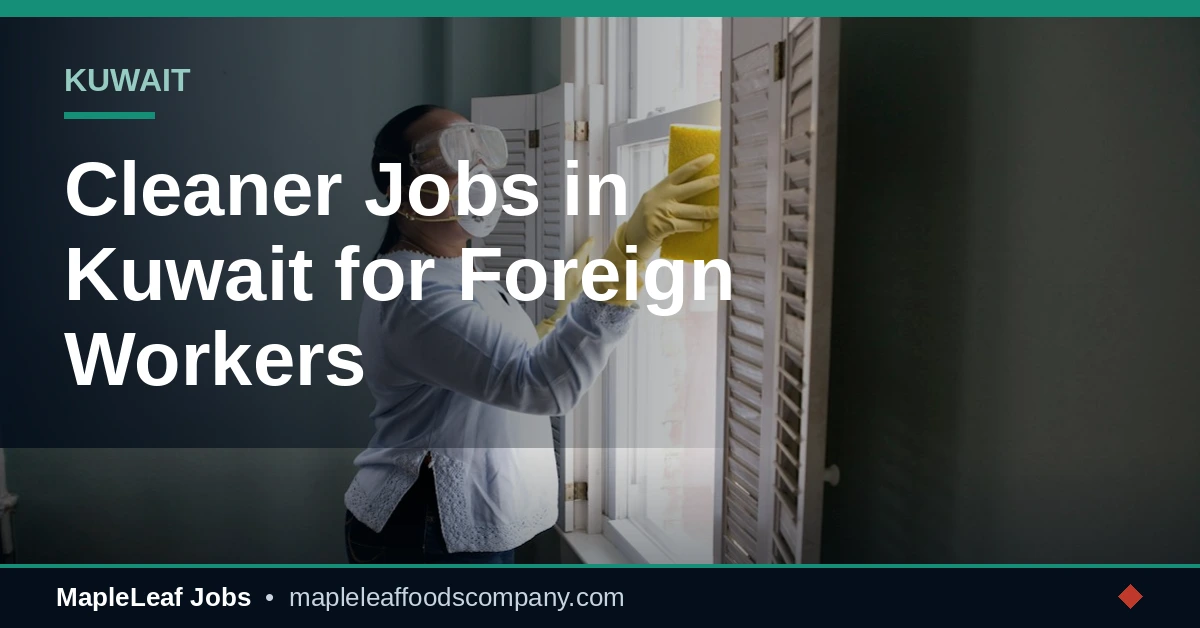
Cleaning chemicals need respect. Cleaners must follow the labels, dilute products as instructed, and never mix chemicals that should stay apart. Gloves protect the hands from strong cleaners, and masks may be needed when working with sprays or in dusty areas. Wet floors should be marked with a sign so nobody slips. Heavy items such as full rubbish bags and furniture should be lifted with the legs, not the back, and trolleys should be used where they are provided. In hospitals and clinics, cleaners follow the infection control rules for the area, including hand washing and the correct disposal of waste. If a chemical splashes into the eyes or onto the skin, wash at once with plenty of water and tell the supervisor. Employers should provide training on the products and equipment in use, and cleaners should ask questions whenever a product or a task is unfamiliar.
Skills, Shifts and Working With a Team
Employers look for cleaners who are reliable, honest and thorough. Turning up on time matters, because a team that is short of a cleaner must cover extra rooms or floors. Attention to detail is what separates a good cleaner from a poor one: the corners, the mirrors, the taps and the door handles are where the difference shows. Cleaners often work in teams, and helping colleagues finish a floor on time is part of the job. Basic English or Arabic helps a cleaner understand instructions and speak with supervisors and clients. Shifts vary with the workplace: offices and schools often need early morning or evening work, malls and hotels need cleaners through the day and into the evening, and hospitals may run round the clock. Ask about the shift pattern, the weekly rest day and the transport arrangements before accepting an offer.
Documents and the Hiring Process
Cleaners are hired through the same work permit route as other private sector workers in Kuwait. The employer applies to PAM for the work permit, and the cleaner supplies a passport with plenty of validity left, a police clearance certificate and photographs. A medical fitness test is part of the process, and cleaners working in hospitals or food areas may need extra health checks. Interviews for cleaning roles are usually short and practical: the employer asks about past cleaning work, the places worked in before, and willingness to work the shifts the job needs. Some employers ask for a short practical check, such as cleaning a room to the standard expected. A written offer should follow, stating the workplace, the shift pattern and the start date. Read the Kuwait work permit guide for the paperwork sequence, and see our Kuwait cleaning and housekeeping guide for related roles. When you are ready, you can start the process through apply.
Scam Protection
Never share full passport details, a passport copy, bank details, passwords or one-time codes (OTPs) with anyone unverified. Verify the employer and any agent's licence through official channels first. Never pay a fee just because someone promises a guaranteed job or visa. Never send money to a personal bank account. Nobody can sell you a work permit, a job offer or a visa, and nobody can promise you a guaranteed outcome. Anyone who claims they can is almost certainly running a scam. Check the employer's name, website and contact details, and ask for the offer in writing with clear terms. For help checking an agent, read how to check an agent's licence by country and how to spot fake job offer letters.
Frequently asked questions
Where do cleaners work in Kuwait?
Offices, shopping malls, hotels, hospitals, schools and private homes all employ cleaners, and each workplace has its own routine and shift pattern.
Do I need experience to get a cleaner job in Kuwait?
Experience helps, especially in hotels and hospitals, but many employers train new cleaners, and reliability and attention to detail often matter more than a long work history.
Are cleaning chemicals dangerous?
Some cleaning products can harm skin, eyes or breathing if used wrongly, so cleaners must follow labels, wear gloves where needed, and never mix chemicals that should stay apart.
Do cleaners in Kuwait work nights and weekends?
Shifts vary with the workplace. Offices and schools often need early or evening work, while malls, hotels and hospitals need cleaners through the day, evenings and weekends.
How are cleaners hired for Kuwait jobs?
The employer applies to PAM for a work permit, the cleaner supplies a passport, police clearance and a medical result, and an entry visa is issued before travel.
Disclaimer
No job, sponsorship or visa is promised. Final decisions rest with employers and immigration authorities. Rules vary by job, employer and programme and change over time. Pay is to be confirmed with the employer during recruitment. This guide is general information only, not legal or immigration advice.
Apply for jobs abroad
Ready to apply? Browse current jobs and apply with your documents ready.