Fake Interview, Medical & Police Clearance Scams
Fake Interview and Medical / Police Clearance Scams: What a Real Process Looks Like — A General Guide
By MapleLeaf Foods Company | Published 5 November 2026
Fake Interview and Medical / Police Clearance Scams: What a Real Process Looks Like
For many job seekers, the interview feels like the moment a job becomes real: a few questions, and then the words "you are selected". Scammers know this. They also know that after selection, most people expect a medical check and a police clearance, so they use those steps to ask for money, documents, or personal details.
This guide explains how fake interviews work, how fake medical and police clearance scams are usually presented, and how to check each step before you pay or share anything. It is general information only. It does not guarantee a job, a visa, or sponsorship, and processes vary by country, employer, and programme. Always check the current official pages for your destination before you act.
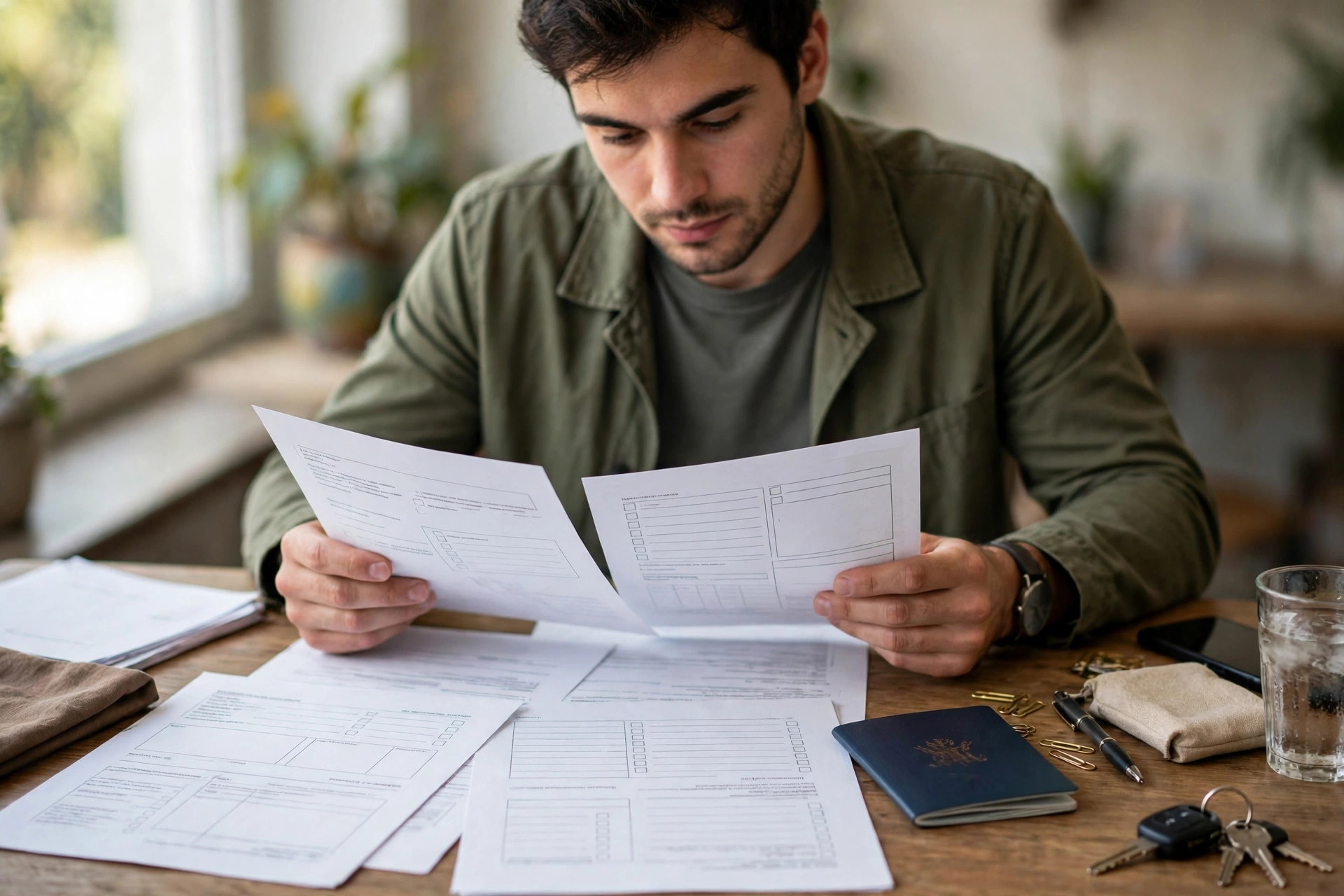
How a fake interview usually unfolds
A fake interview rarely looks like a proper hiring process. It often starts with a short message saying you have been shortlisted, even though you did not apply through an official channel. The interviewer may contact you only by text chat, or by a voice call with no video, and may avoid showing their face.
The questions are often very general, with no questions about your actual skills and no chance for you to ask about the job. In some cases, the "interview" is only a form sent by chat, or a few messages exchanged over a few minutes.
Then comes the quick result: you are told you are selected, often on the same day, and asked to move quickly to the next step. That is usually where the scam appears — a fee for a medical check, a police clearance, or a visa file, paid to a personal account or through an untraceable method. Speed alone does not prove a process is fake, but instant selection followed by an urgent payment should make you stop and check.
Signs the interview itself may not be genuine
Look at the whole interview, not just the friendly tone. What matters is whether the process can be verified.
Be careful if the interviewer uses only a personal email address or messaging number, and cannot give you a business email address. Be careful if they refuse a video call.
Be careful if the interviewer asks for your password, a one-time code, or your bank details. A genuine hiring process does not normally need them.
Also watch for an interview that asks you to pay for the interview itself or for a certificate that only the interviewer can provide.
If you are unsure, ask for the details in writing and check them independently. For a related check, see the guide on how to check an agent licence by country.
The fake medical check trap
After a fake selection, the medical check is a common next step for scammers, because it sounds official and necessary. You may be told to visit a particular clinic, pay a fee in advance, or send a medical report you did not get from a recognised clinic.
One pattern is a named clinic that does not exist, or that has no connection to the employer or the visa process. The scammer gives you a clinic name, address, and number, and asks you to pay before you arrive. Another pattern is a fake medical report: a ready-made report, for a fee, without a real examination. It may look official, but it was not issued by a recognised clinic, and using it can create serious problems.
Before you pay for or attend any medical check, check the destination country's official guidance on which examinations are needed and who can carry them out. In many cases, only certain approved clinics can carry out the examination for a particular visa route, and the list is published by the official immigration or health authority. For destination-specific checks, see the guide on police clearance and medical checks by destination.
The fake police clearance trap
Police clearance, sometimes called a police certificate or a criminal record check, is another step scammers misuse, because it sounds like a document only an agent can obtain quickly. You may be told the clearance must come from a particular agent, or that only an urgent paid service will work.
One common pattern is the fake clearance certificate. You pay a fee and receive a document that looks official but was not issued by the police or the authorised body in your country. Using such a document in a real application can damage your case and create legal problems.
Another pattern is the identity trap: to "arrange" the clearance, the scammer asks for a full passport copy, fingerprints, and other personal details by chat or email. Those details can then be misused, even if no clearance is ever produced.
A genuine police clearance process is described on the official police or government website of the country that issues it. Check that official page yourself and follow its process. If an agent offers to do it for you, check whether the agent is licensed and whether the service matches the official process.
How to check the clinic, the clearance, and the offer
Use these checks in order.
Start with the offer. Search the employer name together with "official website" and "careers", and compare the website with the interviewer's contact details. Check whether the employer is listed on the destination country's official sponsor list, where one exists, and check the agent licence through official channels. The related guide on fake job offers explains more checks.
Next, check the medical step. Find the official list of approved clinics or panel physicians for your destination and visa route, from the official immigration or health authority. Contact the clinic through the number on that official list, not a number sent only by chat, and confirm the appointment and fee in advance.
Then check the police clearance step. Find the official police or government page for the country that issues the clearance and read how to apply. If an agent is involved, ask for their licence details and check them through official channels.
Finally, check the payment. Ask for the exact reason, the exact recipient, and a receipt. Never send money to a personal bank account or an untraceable method. If the payment method cannot be verified, or the recipient changes when you ask again, do not pay.
Scam protection: rules to follow every time
- Never share a full passport copy, bank details, passwords, one-time codes, or original documents with an unverified or fake person.
- Verify the employer and the agent licence first, through official channels, before you share information or pay anything.
- Never pay for a guaranteed job or visa — no interviewer, clinic, or agent can guarantee one.
- Never send money to a personal bank account or an untraceable method for a job, visa, medical check, or clearance. Use only verifiable, official payment routes, and keep a receipt.
- Do not accept a medical report without a real examination, or a clearance document not issued through the official process.
- Do not trust an interview because it was friendly, or a clinic because it was named in a message.
- If you feel rushed or pressured, pause and check before you proceed.
- If you already shared details, attended a clinic, or paid, stop sharing more, save screenshots and payment records, and change any shared password through the official app or website.
Frequently Asked Questions
Can a real job interview happen only by chat or voice call?
Yes, some real interviews happen by chat or voice call, but a real interviewer can usually give you a business email address, a video call, and details in writing. If the interviewer refuses a video call, cannot give you a business email address, or asks for a password, a one-time code, or bank details, stop and check the employer through official channels.
Can a clinic or a police clearance office contact me first?
A real clinic or police clearance office does not usually contact you first. If you are contacted first, check the clinic or office through the official list or the official website. Contact them through the number on the official list, not a number sent only by chat.
What if the interviewer asks me to pay for a medical check or a police clearance?
Do not pay. A fee for a medical check or a police clearance is paid through an official route, to an approved clinic or an official body, not to a personal account. Ask for the exact reason, the exact recipient, and a receipt. If the payment method cannot be verified, do not pay.
What if I already attended a clinic or paid for a clearance?
Stop sharing more details and stop paying. Save every message, screenshot, and payment record. Change any password you shared through the official app or website. Contact the clinic or the police office through official channels and ask whether the check or clearance was real. Report the case to the police or the relevant authority.
What if the interviewer says the job is guaranteed after the medical check?
No job is guaranteed after a medical check. A real employer makes a decision after the full process, including the interview, the medical check, and the clearance. If an interviewer guarantees a job, stop and check the employer through official channels.
If you have checked the employer, the interviewer, the clinic, and the clearance channel through official sources, explore current guidance roles on the jobs page and learn more about visa sponsorship. Also read the related guide on fake job offers and explore the articles section. Take your time, and never send original documents or money to an unverified contact.
Apply Now
Apply Now: If you decide to apply through this site, use the Apply Now option on the Jobs page and follow the steps shown there. Do not send passport copies, bank details, passwords or payments by email or chat to an unverified contact.
Disclaimer: This article is general information only. It is not legal, immigration, or medical advice, or a guarantee of a job, visa, or sponsorship. Requirements vary by country, employer, and programme. Always check the current official pages before you act. Maple Leaf Jobs is an independent jobs guidance service. It is NOT affiliated with, endorsed by, or the official careers site of Maple Leaf Foods, a food company.