Warehouse Jobs in Saudi Arabia for Foreign Workers
Warehouse jobs in Saudi Arabia for foreign workers: picking, packing and forklift roles, logistics hubs, shift patterns, hiring steps and scam warnings.
Saudi Arabia · Working Abroad · Jobs & Visa Guidance
Every parcel ordered online, every pallet delivered to a supermarket and every spare part sent to a workshop has passed through a warehouse. Saudi Arabia's logistics sector has grown fast, with huge storage centres around Riyadh, Jeddah and Dammam serving shops, e-commerce and industry, and those warehouses need pickers, packers, loaders and forklift drivers around the clock. Much of the workforce comes from abroad. Below are the roles inside a Saudi warehouse, the skills that help, how the shifts run and what to verify before accepting a post. Pay is a detail to confirm with the employer, in writing, during recruitment.
MapleLeaf Jobs is an independent international jobs and visa guidance service. It is not affiliated with Maple Leaf Foods, the food company.
The Roles Inside a Warehouse
A warehouse runs on a chain of small jobs done well. Pickers walk the aisles with a scanner or a printed list, collecting the items for each order from the shelves. Packers check the goods, wrap them and label the boxes for dispatch. Loaders move pallets and cartons onto trucks, while stock controllers count items, record what has arrived and flag anything damaged or missing. Forklift drivers move heavy pallets between the receiving bay, the racks and the loading dock. Supervisors and team leaders coordinate the shift, solve problems and report to the warehouse manager. Larger sites also have roles in cold storage, where food is kept chilled, and in returns, where goods sent back by customers are inspected and put back on the shelves. Current guidance sits on jobs, with wider reading in articles.
Picking, Packing and the Scanner
The heart of warehouse work is accuracy. A picker who grabs the wrong item or the wrong quantity creates a mistake that travels all the way to the customer, so reading the scanner carefully and checking each item matters more than speed alone. Scanners and handheld devices guide most of the work now, telling the picker which aisle, which shelf and how many pieces, and a worker who is comfortable with a small screen and basic numbers settles in quickly. Packing needs a similar care: fragile goods wrapped properly, boxes taped firmly, labels placed where the courier can read them. The warehouse requirements guide sets out what employers usually ask for in these roles.
Forklifts, Safety and Heavy Lifting
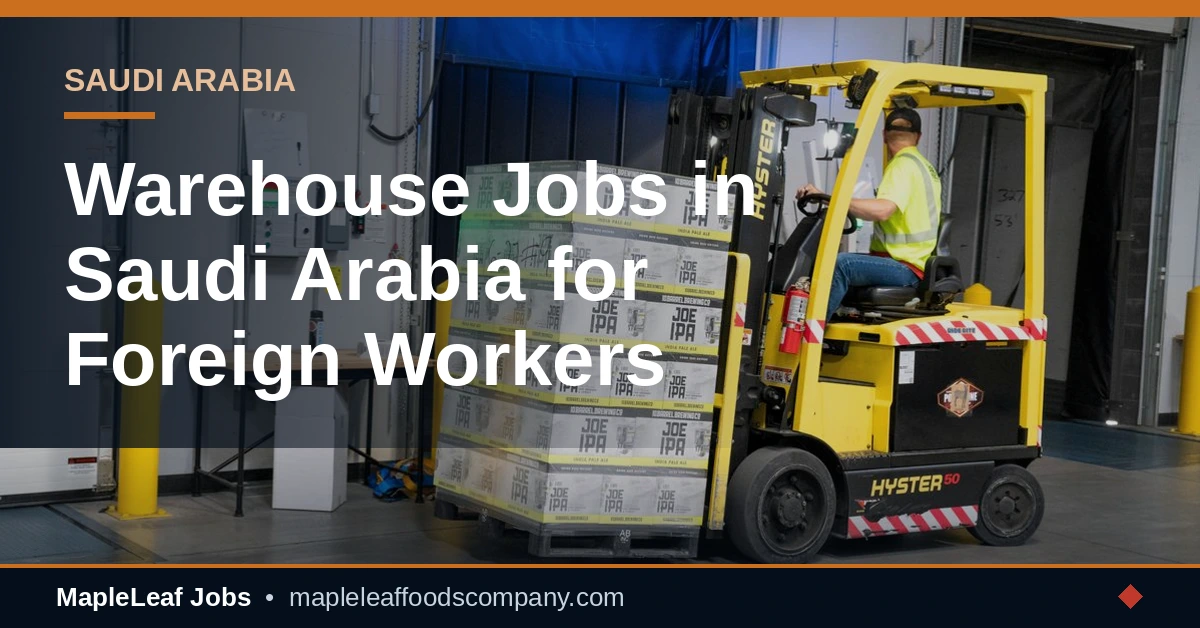
Forklift driving is the skilled trade of the warehouse, and it needs a licence or certificate from a recognised training provider. A forklift driver must know load limits, how to stack pallets safely, how to reverse in a narrow aisle and how to spot a damaged pallet before lifting it. For everyone else, the safety rules are just as important: steel-toe boots and a high-visibility vest on the floor, marked walkways kept clear, no standing under a raised load and no riding on a pallet. Manual handling has its own technique — lifting with the legs, keeping the load close and asking for help with anything too heavy — and a worker who ignores it risks a back injury that ends the job. Cold storage adds another layer, with insulated clothing needed for chilled areas. A good warehouse trains its staff on these rules before the first shift, and a worker should never be asked to operate equipment without that training.
Shifts, Pace and the Working Week
Warehouses rarely sleep. Many run two or three shifts a day, with some staff on nights, and weekends are often the busiest time as online orders pile up. A worker should know the shift pattern before departure: start and finish times, how night shifts rotate, how many days off come each week and how overtime is arranged. The pace varies through the year, with busy periods around festivals and sales events when overtime grows. Accommodation is commonly shared housing arranged by the employer, with transport to the warehouse provided. Meals may be available in a canteen during shifts, though this varies and should be confirmed in writing. The warehouse peak season guide looks at how busy periods change the work.
What Employers Look For
Physical fitness is the starting point, since the work means standing, walking and lifting for most of the shift. Reliability matters just as much: turning up on time for every shift, including nights, and letting the supervisor know early if there is a problem. Basic English helps with scanners, labels and instructions, and basic numbers help with counting and checking. Experience in a warehouse, a shop stockroom or any role involving stock is an advantage, and a forklift certificate opens the door to better-paid driving roles. Employers also value workers who follow safety rules without being reminded and report damaged goods instead of hiding them.
Hiring and the Visa Steps
Hiring for a Saudi warehouse usually runs through a logistics company or a staffing agency, which acts as both sponsor and employer. The search often begins with an agency in the worker's home country, gathering applications and passing on the candidates who fit the role. A shortlist then leads to a phone or video interview, where the questions turn to earlier warehouse or physical work, whether night shifts are acceptable and whether the worker holds any forklift training. An offer, when it comes, should be written down in full — the role, the warehouse location, the shift pattern, the weekly days off and the housing arrangement — and read line by line before any agreement. The employer then starts the work visa process, and the worker collects the papers named in the offer: a travel document with plenty of validity left, a police clearance certificate from home and any forklift or training certificates. A medical check comes with that stage, done before departure and repeated after arrival. The documents checklist lists every paper usually asked for, and the Saudi work visa process guide sets out the order of these steps.
Common Problems and How to Handle Them
The difficulty warehouse workers meet most is a role that changes on arrival — a picker moved to heavy loading, say, with no discussion — which should be raised with the supervisor in writing, with the worker keeping a copy. Late wages come next: a written reminder first, then a complaint to the official labour channels if the delay drags on, backed by the contract and any pay slips. Shift changes made without notice and housing far from the warehouse are other complaints worth settling in writing before departure. A residence permit nearing expiry needs a written reminder to the sponsor too, since an expired permit can block banking and travel; the Saudi iqama renewal guide explains how permits are extended. Warehouse workers who have read the terms and feel ready can begin through apply.
Scam Protection
Never share full passport details, a passport copy, bank details, passwords or one-time codes (OTPs) with anyone unverified. Verify the employer and any agent's licence through official channels first. Never pay a fee just because someone promises a guaranteed job or visa. Never send money to a personal bank account. Nobody can sell you a warehouse job, a work permit or a visa, and nobody can promise you a guaranteed outcome. Anyone who claims they can is almost certainly running a scam. Be careful of adverts that promise a forklift role without any licence or training, and of anyone asking for payment to "book" a warehouse place. For help checking an agent, read how to check an agent's licence by country and how to spot fake job offer letters.
Frequently asked questions
What does a warehouse picker do in Saudi Arabia?
A picker walks the aisles with a scanner or list, collects the items for each order from the shelves, checks quantities and hands the goods to packing.
Do I need a forklift licence for warehouse work?
Only forklift drivers need one. Pickers, packers and loaders usually need no licence, though a forklift certificate opens the door to driving roles.
Are warehouse shifts at night?
Many warehouses run two or three shifts including nights, and weekend work is common, so the shift pattern should be confirmed in the written offer.
What should I wear in a warehouse?
Steel-toe boots and a high-visibility vest are standard on the floor, with extra insulated clothing for cold storage areas.
Who arranges the work visa for a warehouse worker?
The logistics company or staffing agency acting as sponsor starts the work visa side, while the worker provides a travel document, police clearance and any certificates, and goes through the health examinations.
Disclaimer
No job, sponsorship or visa is promised. Final decisions rest with employers and immigration authorities. Rules vary by job, employer and programme and change over time. Pay is to be confirmed with the employer during recruitment. This guide is general information only, not legal or immigration advice.
Apply for jobs abroad
Ready to apply? Browse current jobs and apply with your documents ready.