Gulf Jobs for South African Workers: UAE, Saudi Arabia and Qatar Compared
Gulf Jobs for South African Workers: UAE, Saudi Arabia and Qatar Compared
By MapleLeaf Foods Company | Published 9 November 2026
Published 9 November 2026
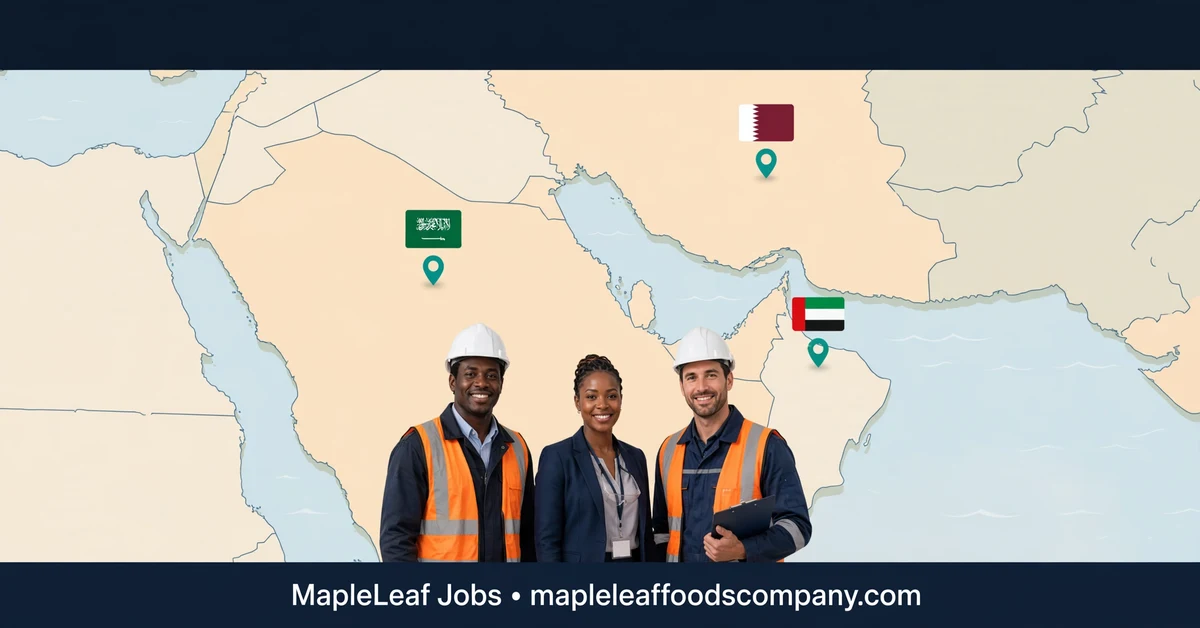
South African workers looking at the Gulf usually narrow the choice to three countries: the United Arab Emirates, Saudi Arabia and Qatar. Each has jobs, each has a different feel, and each has its own visa process and rules. This guide compares the three in general terms, so a South African applicant can judge which route fits their skills, their experience and their plans, and can apply safely in any of them.
This is general information only. It does not list live vacancies, name employers or promise a job or visa. Pay is to be confirmed with the employer during recruitment. Rules change over time, so always check official government sources for each country before applying or paying anyone.
The UAE: The Most Familiar Starting Point
The UAE, and Dubai and Abu Dhabi in particular, is the most familiar Gulf destination for South African workers. English is widely used in workplaces, the expatriate community is large, and the range of roles is broad: hospitality, retail, security, administration, healthcare, education support, driving, skilled trades and facility services.
The UAE's work visa process normally starts with the employer, who arranges the work authorisation and issues an offer or contract for a named role. The worker then follows the employment visa steps, including a medical test and an Emirates ID. The UAE also has long-term residence routes such as the Golden Visa, covered in our guide to the UAE Golden Visa for workers, but a Golden Visa is a residence route, not a job, and it does not suit every worker.
For South Africans, the UAE often feels the easiest to settle in, but that does not make every offer genuine. Check the employer, read the contract and verify the offer letter. Our guide to UAE offer letter and WPS verification explains how to check whether an offer and a labour contract are genuine, and our UAE jobs guide gives the wider picture.
Saudi Arabia: Scale and Construction Demand
Saudi Arabia is the largest Gulf labour market, and its demand is driven by large projects, construction, services and healthcare. South African workers apply for roles in hospitality, healthcare, security, skilled trades, driving and project support, and English is used in many workplaces, though Arabic is more present in daily life than in Dubai.
The Saudi work visa process also starts with the employer, who arranges the work authorisation and issues an offer or contract. Medical testing at an approved centre is normally part of the process, and a residence permit (iqama) is completed in the Kingdom after arrival. Saudi Arabia also has a separate system for domestic work, covered in our guide to the Saudi Musaned domestic worker visa.
Saudi roles can offer longer contracts and large-project experience, but the working culture, the climate and the social rules are different from South Africa and from the UAE. Read the contract carefully, ask about accommodation, transport, hours and medical cover in writing, and understand the exit rules before you travel. Our guide to jobs in Saudi Arabia for Indian workers also explains the Saudi sectors and process in general terms.
Qatar: Smaller Market, Steady Demand
Qatar is a smaller market than Saudi Arabia or the UAE, but it has steady demand in hospitality, security, healthcare, education support, skilled trades, driving and facility services. Doha is the centre of most opportunities, and English is widely used in workplaces, which suits South African applicants.
The Qatar work visa process starts with the employer, who arranges the work authorisation and issues an offer or contract. Medical testing at an approved centre is normally part of the process, and a residence permit is completed in Qatar after arrival. Our guide to Qatar jobs for South African workers explains the Qatar route in more detail, and our Qatar jobs guide gives the wider picture.
Qatar's smaller size can mean a closer community and shorter commutes, but it also means fewer employers and fewer roles than the UAE or Saudi Arabia. A role that sounds attractive should still be checked in the same way: verify the employer, read the contract and confirm the visa route.
Comparing the Three: Roles and Daily Life
In all three countries, hospitality, security, healthcare support, driving and skilled trades are common areas for South African workers. The UAE has the broadest range of service and retail roles, Saudi Arabia has the largest construction and project demand, and Qatar sits between the two, with hospitality and services centred on Doha.
Daily life differs too. The UAE, especially Dubai, has the largest South African and international community and the most familiar lifestyle for a newcomer. Qatar is smaller and quieter, with a strong hospitality sector. Saudi Arabia has the largest scale and the most project work, but daily life and social rules are more conservative than in Dubai or Doha. None of these differences makes one country better than the others in general. The right choice depends on the role, the employer, the contract and the worker's own plans.
In all three countries, the climate is hot for much of the year, shift work including evenings and weekends is common in hospitality and security, and accommodation is often arranged by the employer. Ask for the details in writing before you travel, whatever the country.
Comparing the Three: Visa and Contract
The visa logic is similar in all three countries: the employer step comes first, the worker's visa application follows, and a medical test is normally part of the process. An offer letter alone is not a visa in any of the three, and a visa is not guaranteed by an offer.
The contract matters in all three as well. It should name the employer, the work location, the job title and duties, the contract length and the working hours. Pay is to be confirmed with the employer during recruitment, and the contract should state how pay is calculated, when it is paid and whether accommodation, food, transport or medical cover are included.
Check who pays for the visa, the medical test and the travel, and whether any deduction is mentioned. Ask what happens if the job changes or ends early, and what the notice and exit rules are. If the contract is in Arabic and you cannot read it, get it explained by someone you trust before signing, and keep a copy of the version you signed.
Documents South African Workers Usually Prepare
The exact list depends on the country, the role and the visa category, but applicants commonly prepare a valid South African passport with enough validity remaining, passport-size photographs, the offer letter and employment contract, educational certificates where the role requires them, and experience certificates or reference letters from previous employers.
Healthcare and other regulated roles may need professional registration or verification of qualifications. Trade roles may need trade test certificates or proof of skill. Drivers may need their driving licence and driving record. Attestation of documents is sometimes required, and if so, it should be arranged through the proper official channel. Keep your originals safe and never hand your original passport to an unverified person.
Before you travel, read our general documents checklist and our guide to how to apply. You can browse general guidance on jobs, read other country guides on articles, and submit an application through apply once you have checked the route.
Scam Protection
Protect yourself before you share documents or pay anyone. Never share full passport details, a passport copy, bank details, passwords or one-time passwords (OTPs) with anyone unverified. Verify the employer and any agent through official channels first, including the embassy or consulate guidance for the country and visa category you are applying under.
Never pay a fee just because someone promises a guaranteed job or visa. No agent or employer can guarantee a visa, because the final decision rests with the immigration authorities. Never send money to a personal bank account for a job or visa. Pay only against a written agreement and an official receipt, to a registered account, after the employer and the route have been checked.
If someone pressures you to pay the same day, asks you to travel on a visit visa and start work, or refuses to name the employer and location, stop and verify the opportunity independently. Our guide to fake job offer letters explains the warning signs, and our agent licence check by country explains how to verify a recruiter. More on sponsorship routes generally is in our visa sponsorship guide.
Frequently Asked Questions
Which Gulf country is best for South African workers?
There is no single best country. The UAE has the broadest service roles and the largest international community, Saudi Arabia has the largest project and construction demand, and Qatar has steady hospitality and service demand centred on Doha. The right choice depends on the role, the employer and the contract.
Is the visa process the same in the UAE, Saudi Arabia and Qatar?
The logic is similar: the employer step comes first, the worker's visa application follows, and a medical test is normally part of the process. The details, channels and rules differ by country, so check the official guidance for each one.
Do I need a job offer before applying for a Gulf work visa?
For the usual employer-sponsored route, yes, in all three countries. An offer letter alone is not a visa, and a visa is not guaranteed by an offer.
What salary can South African workers expect in the Gulf?
Pay is to be confirmed with the employer during recruitment. It depends on the country, the role, the employer, experience, hours and the contract terms. Do not rely on a salary figure quoted in an advertisement.
Can I work in the Gulf on a visit visa?
Working on a visit visa can cause serious immigration problems. Follow the proper work visa route for your category and check official guidance before travelling.
Disclaimer: This article is general information only. No job, sponsorship or visa is guaranteed. Final decisions rest with employers and immigration authorities. Rules vary by job, employer and programme and change over time — check official government sources before applying.
Apply Now
Apply Now: If you decide to apply through this site, use the Apply Now option on the Jobs page and follow the steps shown there. Do not send passport copies, bank details, passwords or payments by email or message to an unverified person. Apply only through the official route shown on this site, and check the details on the application page before you submit anything.