Articles
Canada Jobs Requirements: What You Usually Need
General information only. This guide does not state any legal rule and does not guarantee a job, a job offer, visa sponsorship, a work permit or visa approval, and any salaries mentioned on this site are estimates only.
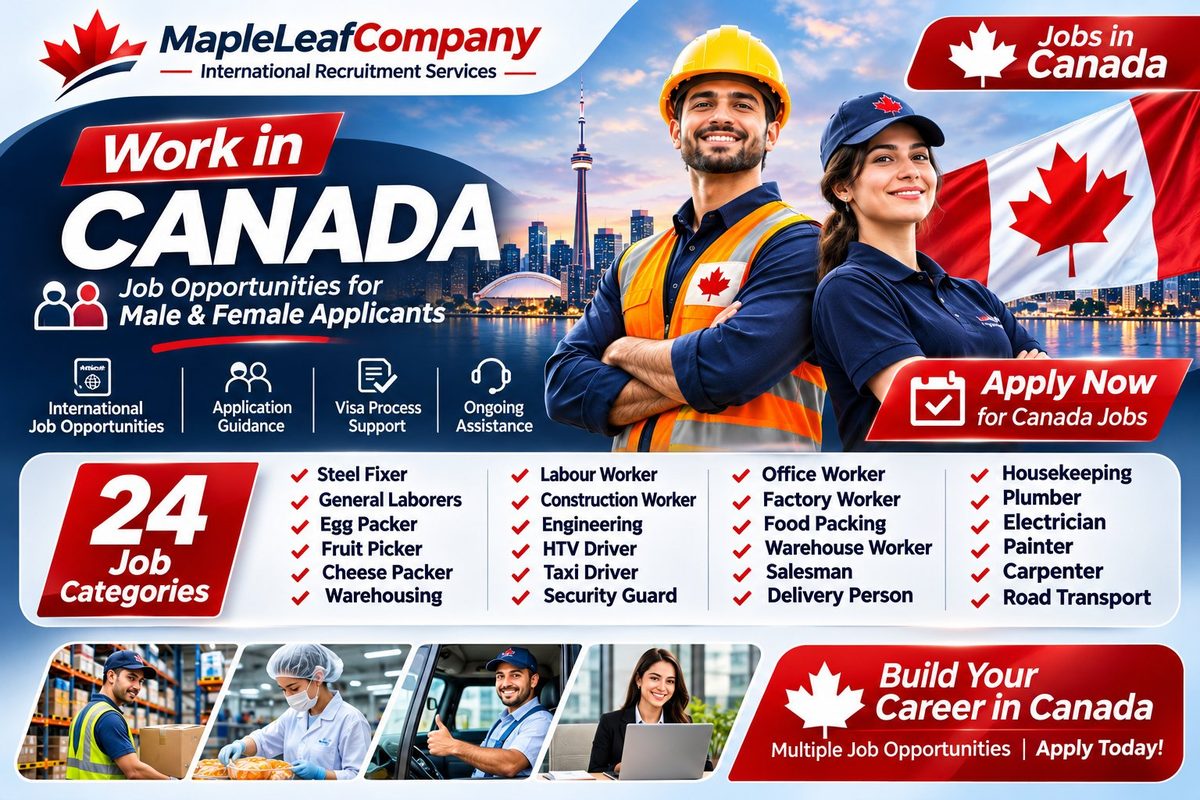
Canada is one of the most popular destinations for international workers, and many people ask what it takes to qualify for a job there. The honest answer is that there is no single list of requirements for every job. What you need depends on the role, the employer, and the immigration route that applies to your case. This guide explains, in general terms, what employers and immigration authorities usually look at: your education, your work experience, your language skills, your documents, and the specific needs of the job. It is general information only. It does not state any legal rule, and it does not promise any job, work permit or visa. The final decision on any job is made by the employer, and the final decision on any permit or visa is made by the Canadian government authorities. Always check official Government of Canada and IRCC sources for your specific case.
1. General Eligibility in Broad Terms
In broad terms, eligibility for a Canada job usually starts with the basics. You generally need to be an adult, hold a valid passport, and be able to show who you are and where you come from. Employers also expect you to meet the requirements of the specific role, such as a trade certificate, a licence, or a certain amount of experience, but those details vary widely from one job to another. Some roles are open to people with general work experience, while others ask for formal training. Immigration routes also have their own broad conditions, which can include health and character checks, proof that you can support yourself, and evidence that you plan to follow the conditions of any permit you receive. None of these points is the same for every applicant, and none of them guarantees an outcome. Think of eligibility as a combination: the needs of the job, the needs of the employer, and the immigration rules that apply to your situation. If any part of that combination is missing, the application may not move forward, even if the other parts are strong. That is why it is important to read the requirements of the exact role and the exact immigration route you are considering, rather than relying on a general article alone.
2. Education and Work Experience
Education and experience are usually the first things an employer looks at. For many general roles, such as warehousing, food production, or general labour, employers often value practical experience and reliability more than formal degrees. For skilled trades, employers often look for training or certification in the trade, and some trades in Canada are regulated, which means you may need to have your credentials assessed or recognised before you can work in that trade. For professional roles, such as engineering, health care, or finance, employers usually expect a relevant degree or diploma, and sometimes a licence from a Canadian professional body. Work experience matters in every case: employers want to see that you have done similar work before, for how long, and with what results. References from past employers can help confirm that experience. If your education was completed outside Canada, you may be asked to provide an assessment of your credentials, but whether that is needed, and which assessment is accepted, depends on the employer and the route. Keep your certificates, transcripts, and reference letters ready, and make sure the dates and job titles on them match your CV.
3. Language Skills
Language skills matter because Canadian workplaces usually operate in English or French. Most employers expect you to understand instructions, communicate with colleagues and customers, and read safety information. Some immigration routes also ask for proof of language ability, and the level asked for can vary by route and by job. You do not need to be perfect, but you do need to be able to work safely and clearly in the language of the workplace. If you are unsure about your level, consider taking a recognised language test or a language course before you apply, and be honest about your ability on your application. Overstating your language skills can cause problems later, for example during an interview or on the job. If a job asks for a specific language level, check what evidence is accepted for that role, because different employers and different routes may accept different kinds of proof. Improving your language skills is one of the most useful steps you can take while preparing, whatever route you are considering.
4. CV and Documents Checklist
A complete and honest file makes checking faster. Your CV should list your real jobs, duties, and dates, without gaps you cannot explain and without qualifications you do not hold. Keep your passport valid, and make sure the name and date of birth on every document match your passport exactly. Useful documents often include your CV, your passport, your education certificates and transcripts, reference letters from past employers, and any trade certificates or licences you hold. Some employers may also ask for a police certificate or a medical check, but that depends on the role and the route. On this site, a profile picture is required at the first step of the application, and a CV is optional but helpful. Before you submit, check every field for spelling and date errors, and make sure your contact details are correct so the employer can reach you. Keep copies of everything you submit, and never submit a document that is not genuine.
5. Employer and Job-Specific Requirements
Beyond the general points, every employer and every job has its own needs. A food production employer may ask for experience in a similar setting and the ability to work shifts. A construction employer may ask for trade skills, safety training, or the ability to do physical work. A care employer may ask for relevant training and a background check. Some jobs ask for a driving licence, some ask for computer skills, and some ask for the ability to work weekends. These details are set by the employer, not by a general guide, so the only reliable source for a specific role is the job detail itself. Read it fully before you apply, and apply only for roles where you meet the stated needs. If a requirement is unclear, ask through the official contact page rather than guessing. Employers also consider attitude and reliability: showing up on time, following safety rules, and working well with others matter in every workplace.
6. Visa, Work Permits and Sponsorship in General Terms
In general terms, a work permit is permission from the Canadian government to work in Canada, and it is separate from a job offer. An employer may offer you a job, and may also be willing to support a work-permit process, which people often call sponsorship. Sponsorship is not a guarantee: the employer decides whom to hire, and the Canadian government authorities decide every permit and visa case under their own rules. Some routes require the employer to show that it could not find a suitable local worker, while others work differently, and the details change from time to time. You may also need to show that you meet health, character, and financial conditions, but exactly what is asked depends on your case. Never pay anyone who promises a guaranteed permit or visa, and never trust an offer that asks for money before any official decision. If an offer seems too easy, treat it as a warning sign and check it through official sources.
7. How to Check Official Sources
Because rules vary and change, the safest habit is to check official sources for your specific case. The Government of Canada website and Immigration, Refugees and Citizenship Canada, known as IRCC, publish the current information about work permits, visas, and immigration routes. Start there, and look for the route that matches your situation, rather than relying on social media posts or unofficial agents. If you use an agent or representative, check that the person is authorised to give immigration advice, and be careful with anyone who guarantees results. You can also read the general guides on this site, such as the Canada jobs apply guide and the documents checklist, but remember that those guides are general information only. When in doubt, contact the employer directly through official channels, or ask through the contact page on this site.
Browse current jobs, read the visa sponsorship guide, or contact us with your question. You can also read the Canada jobs apply guide and the documents checklist, or return to Articles & Guides. This article is general information only. It does not state any legal rule, and it does not guarantee employment, a job offer, visa sponsorship, a work permit or visa approval. Any salaries mentioned on this site are proposed, unverified estimates only. Requirements vary by job, employer and immigration program. The final decision on any job is made by the employer, and the final decision on any work permit or visa is made by the Canadian government authorities. Always check official Government of Canada and IRCC sources for your specific case.